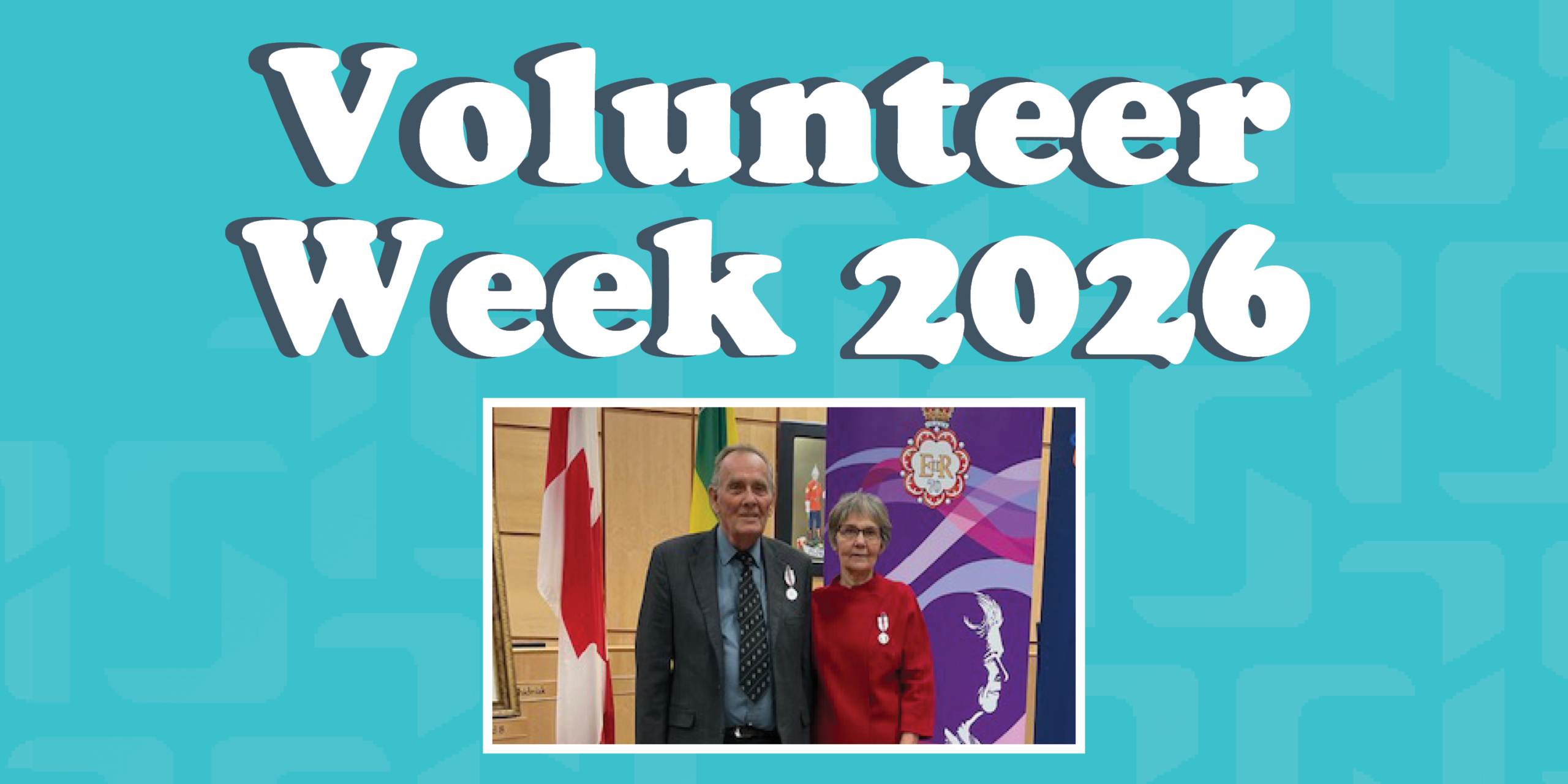
When Larry Way first got involved in the world of volunteering at 21 years old, he had no idea how much of a mark he would leave after dedicating 60 years to sport in Saskatchewan.
He first got involved volunteering as a coach in bowling before he branched out to curling. Around 1987, he expanded his volunteer duties to include skeet shooting, the sport he had been involved with since childhood. But he didn’t stop there.
“I’ve been pretty involved in a whole lot of things,” said Way. “In the early days I was asked to do it. I was involved with softball and my assistant coach asked me to help him coach ringette. Then my daughter started in ringette.”
And the rest was history.
Way stepped into the world of ringette without any prior experience, not even knowing how to skate, which he admits made things complicated.
However, through the time spent coaching his daughter, he fell in love with the sport and the kids so much that he continued coaching even after his daughter had advanced.
It was that love that fueled his volunteer journey, as Way initially wanted to be a teacher, but life brought him in a different direction. Albeit that passion to teach never left him and became his strength as a volunteer.
He believed that teaching mental performance was one of the most valuable lessons he could pass on to his athletes. It didn’t matter the sport Way was coaching, he wanted to pass on the skills of how to remain positive, to be respectful and remain in control.

“I thought all this mental stuff was so much more important than shooting or ringette skills.”
He took on various roles and challenges in the pursuit of expanding sport education because to Way, it was all part of his expectations.
He wanted to ensure that the athletes and other volunteers were able to receive the most positive experiences possible, so when he noticed an imbalance in the ringette draft, he stepped up to address it.
“Pretty much all the rules in Regina ringette are my rules because I had a lot of influence about how the draft worked. When I first got into it, the set up would favor experienced coaches and they could rip off an inexperienced coach in a draft. Which meant that the experienced coach would have the overwhelming best and it was unfair.”
He also shifted the ringette scene in other ways. Early in his coaching career, Way was seeking avenues to expand his understanding of the sport and came to realize there was no fixed manual available.
“If you went to a sports library, you could get a manual for baseball and get one specific for if you were coaching ten-year-olds as an example. So, I went and asked, ‘What do you have on ringette?’ They had one folder and that was it,” exclaimed Way.
This left Way feeling nothing but determination to address the gap. At the next team meeting he attended, Way asked why a manual wasn’t developed for ringette and was met with blank faces, before someone suggested that he do it himself.
“Well, I did! Two-hundred pages,” laughed Way. “I took my teams out in the summertime to all the arenas and took photos of all the techniques. So that manual is full of demonstrations and pictures of how to do it. How do deal with parents, how to deal with kids. And it is still used today, across Canada.”
Thinking back across his volunteer career, the manual is one of his most prominent achievements.
“It is a manual that everyone uses now, that no one else was willing to make. And that’s the stuff you get satisfaction from, because you know a whole lot of kids have a better environment. So, I guess that’s the incentive to why you do this stuff.”
For Way, it has always been about leaving a better environment than he entered. And with that came the gratification of seeing his legacy continue forward with his previous athletes.
He worked hard to spend his time volunteering as intentionally as possible and the athletes felt that.
“One of my former players was coaching a little novice team and she told me that she was coaching them in the gentle, wonderful way that I coached her. I get emotional over that. That is your thanks.”